Unlocking the Mysteries: A Comprehensive Guide to Tarot Reading


Introduction to Tarot Reading
Tarot reading is a fascinating practice that has intrigued people for centuries. It combines symbolism, intuition, and interpretation to offer insights into various aspects of life. Whether you're a curious beginner or an experienced reader, understanding the intricacies of tarot can enhance your journey through this mystical world.
The History of Tarot
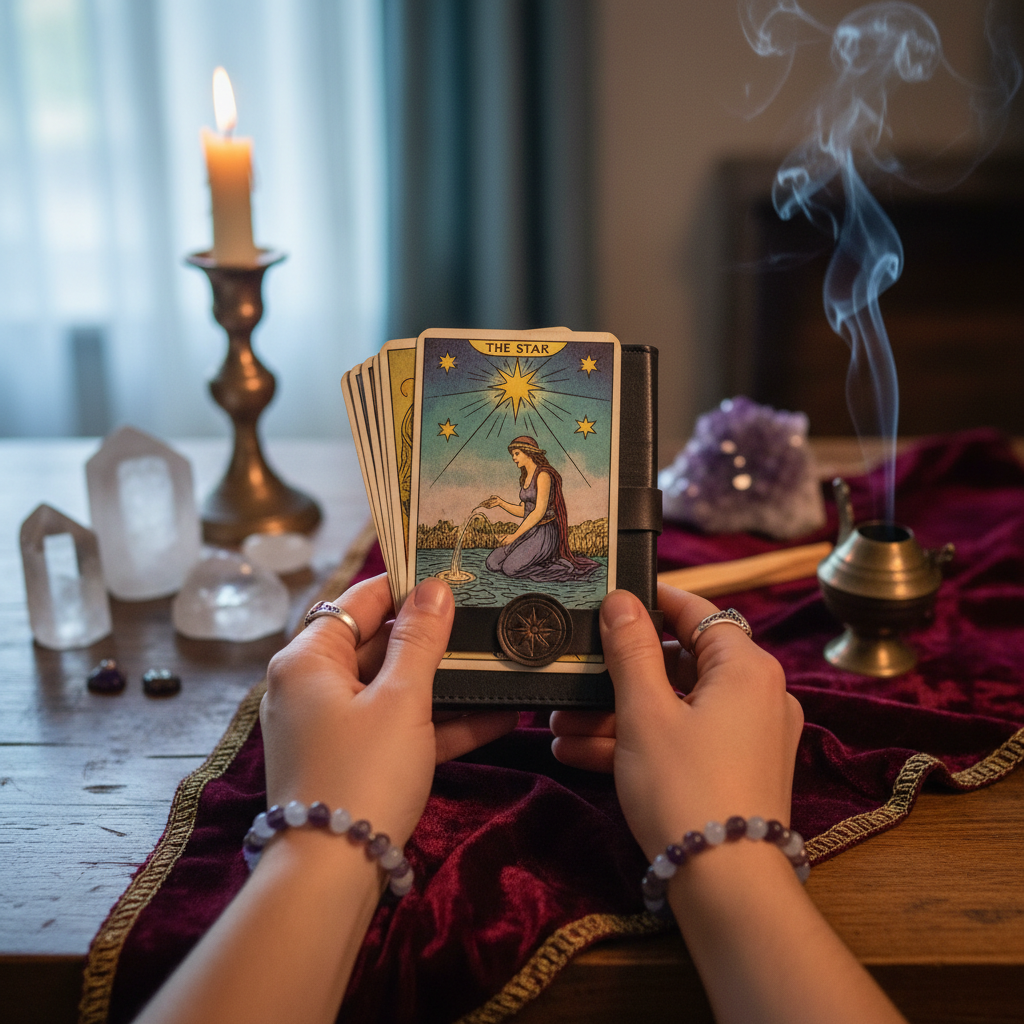
The origins of tarot are shrouded in mystery. Some believe it began in 15th-century Europe, while others trace its roots back to ancient Egypt. Originally, tarot cards were used for playing games, but they gradually evolved into tools for divination. This transformation has made tarot a beloved practice for those seeking guidance and self-reflection.
Understanding the Tarot Deck
A standard tarot deck consists of 78 cards, divided into two main sections: the Major Arcana and the Minor Arcana. The Major Arcana includes 22 cards, each representing significant life themes and spiritual lessons. The Minor Arcana contains 56 cards, divided into four suits: Cups, Pentacles, Swords, and Wands, each reflecting everyday events and influences.
The Major Arcana
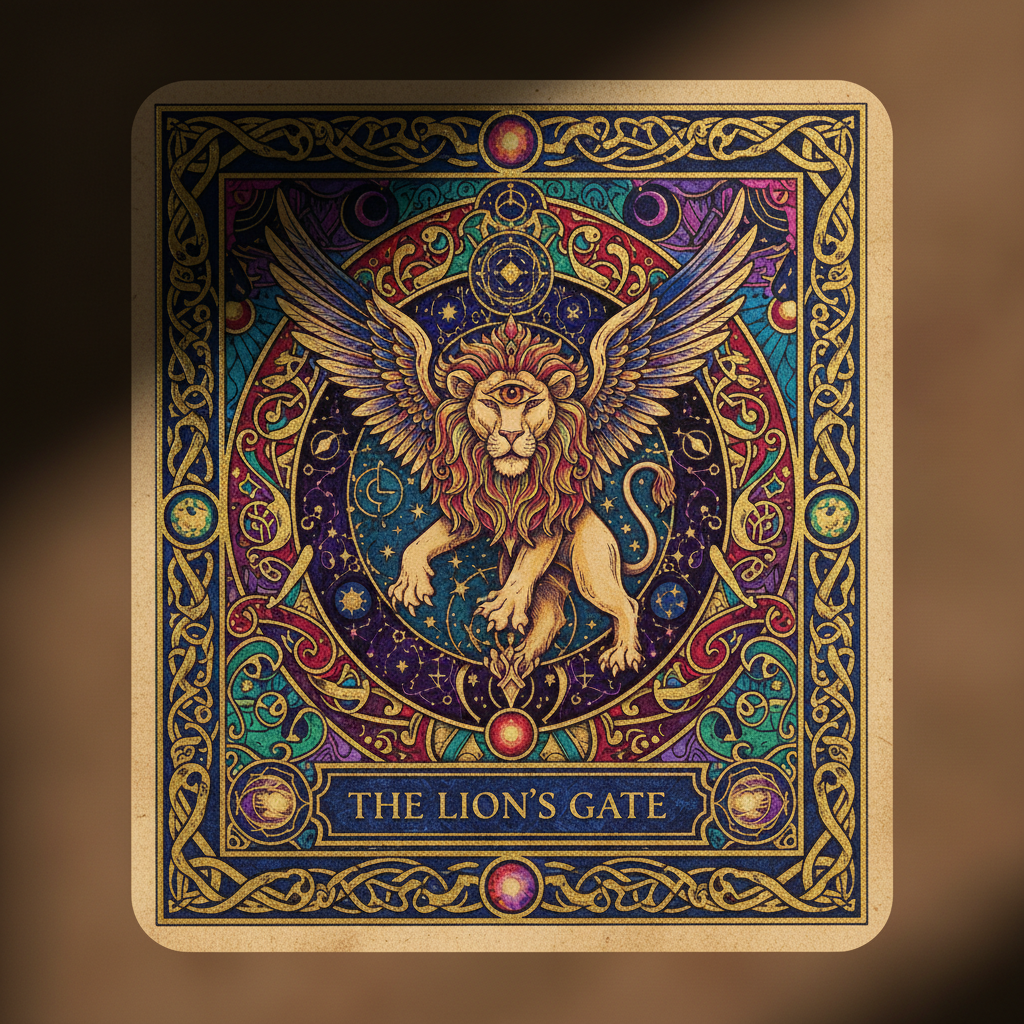
The Major Arcana is often considered the heart of the tarot deck. Each card, from The Fool to The World, symbolizes a unique aspect of the human experience. These cards are powerful tools for understanding life's big-picture questions and can guide you through transformative periods.
The Minor Arcana
The Minor Arcana, with its four suits, delves into more specific areas of life. Each suit corresponds to different elements and themes:
- Cups: Emotions and relationships
- Pentacles: Material wealth and career
- Swords: Intellect and conflict
- Wands: Creativity and ambition
Performing a Tarot Reading
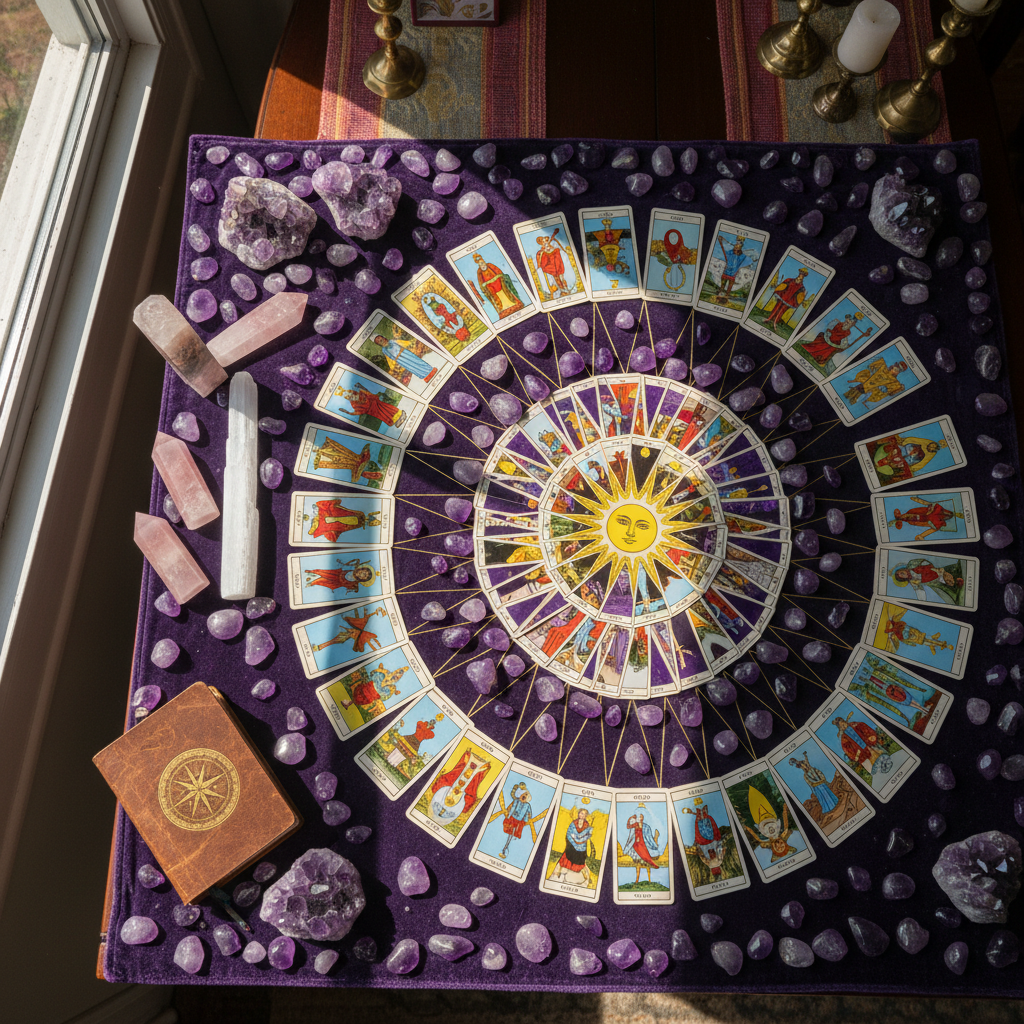
To perform a tarot reading, it's essential to create a calm and focused environment. Begin by shuffling the deck while concentrating on your question or intention. Then, draw the cards and lay them out in a spread. Common spreads include the three-card spread and the Celtic Cross, each offering different insights.
Interpreting the Cards
Interpreting tarot cards involves combining the card's traditional meanings with your intuition. Look at how the cards relate to each other and the overall message they convey. Remember, tarot reading is a personal experience, and your unique insights play a crucial role in understanding the cards.

Using Tarot for Personal Growth
Many people use tarot as a tool for personal development. By reflecting on the cards' meanings and their relevance to your life, you can gain clarity and guidance. Tarot encourages self-exploration and mindfulness, helping you navigate life's challenges with greater awareness and confidence.
Unlocking the mysteries of tarot reading requires practice, patience, and an open mind. Whether you're seeking answers or simply exploring the unknown, tarot offers a unique way to connect with your inner wisdom and the world around you.