Exploring the Mystical World of Tarot: Understanding Its Origins and Evolution


The Enigmatic Origins of Tarot
The Tarot deck is more than just a tool for divination; it’s a historical artifact with roots that stretch back centuries. Originating in the mid-15th century in Europe, Tarot cards were initially used for playing a game called Tarocchi in Italy. It wasn't until later that they took on mystical and divinatory aspects.
The original decks consisted of four suits, much like modern playing cards, but also included a fifth suit: the trump cards, or the Major Arcana. These cards depicted allegorical illustrations that have sparked intrigue and interpretation over the centuries.
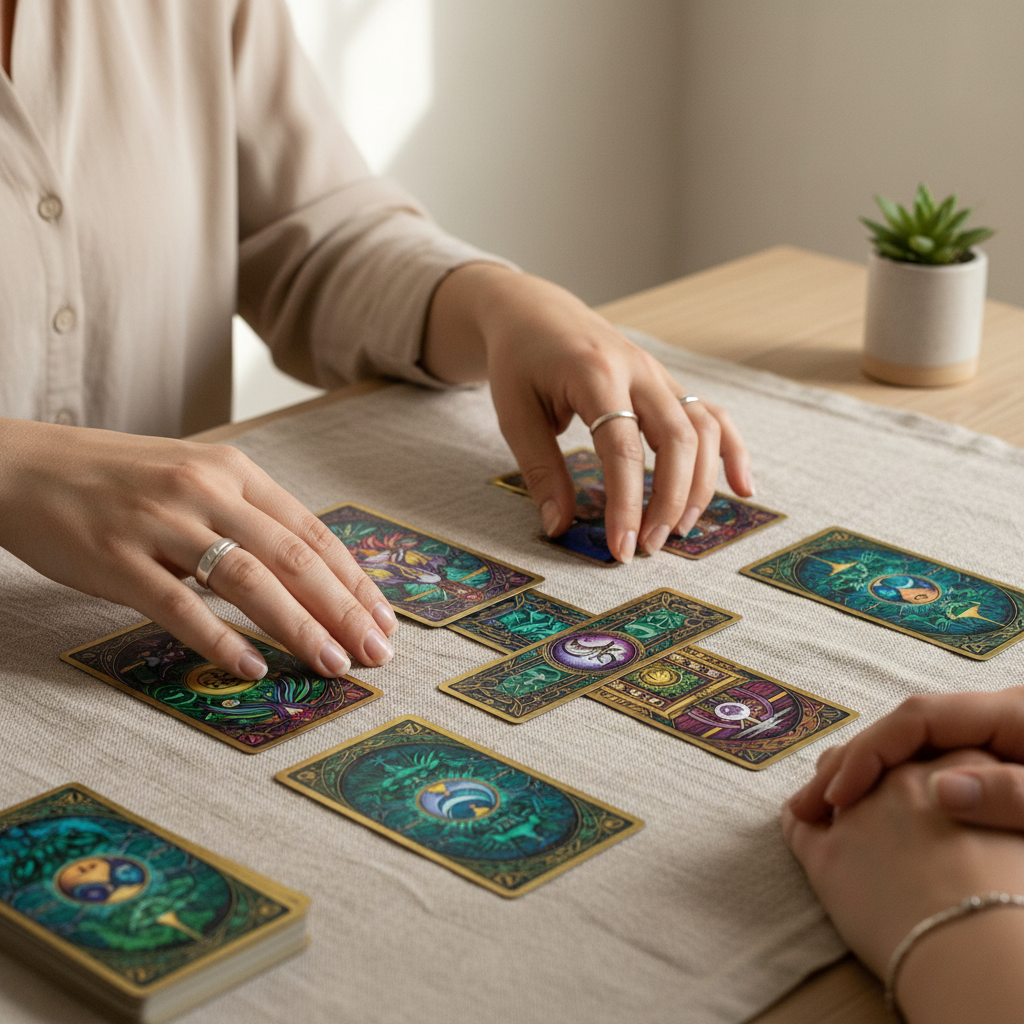
Transition to Mystical Use
By the 18th century, Tarot had transitioned from a mere card game to a tool for the occult. This transformation was significantly influenced by French occultist Jean-Baptiste Alliette, known as Etteilla, who was one of the first to popularize Tarot as a means of fortune-telling. His interpretations and the addition of astrological and Cabalistic elements laid the groundwork for modern Tarot readings.
The symbolism of the Tarot cards began to evolve during this period, with each card being associated with specific meanings and archetypes. The Major Arcana, in particular, became central to Tarot’s mystical application, symbolizing significant themes and life lessons.
Understanding the Structure of Tarot
The Tarot deck is typically composed of 78 cards, divided into two main groups: the Major Arcana and the Minor Arcana. The Major Arcana consists of 22 cards, each representing significant life events or spiritual lessons. The Minor Arcana, on the other hand, consists of 56 cards divided into four suits—Cups, Swords, Wands, and Pentacles—each corresponding to different aspects of life.
The intricate imagery and symbolism found on these cards are open to interpretation, allowing for a personalized reading experience. Each card, whether from the Major or Minor Arcana, holds its own unique set of meanings that can change depending on the context of the reading.
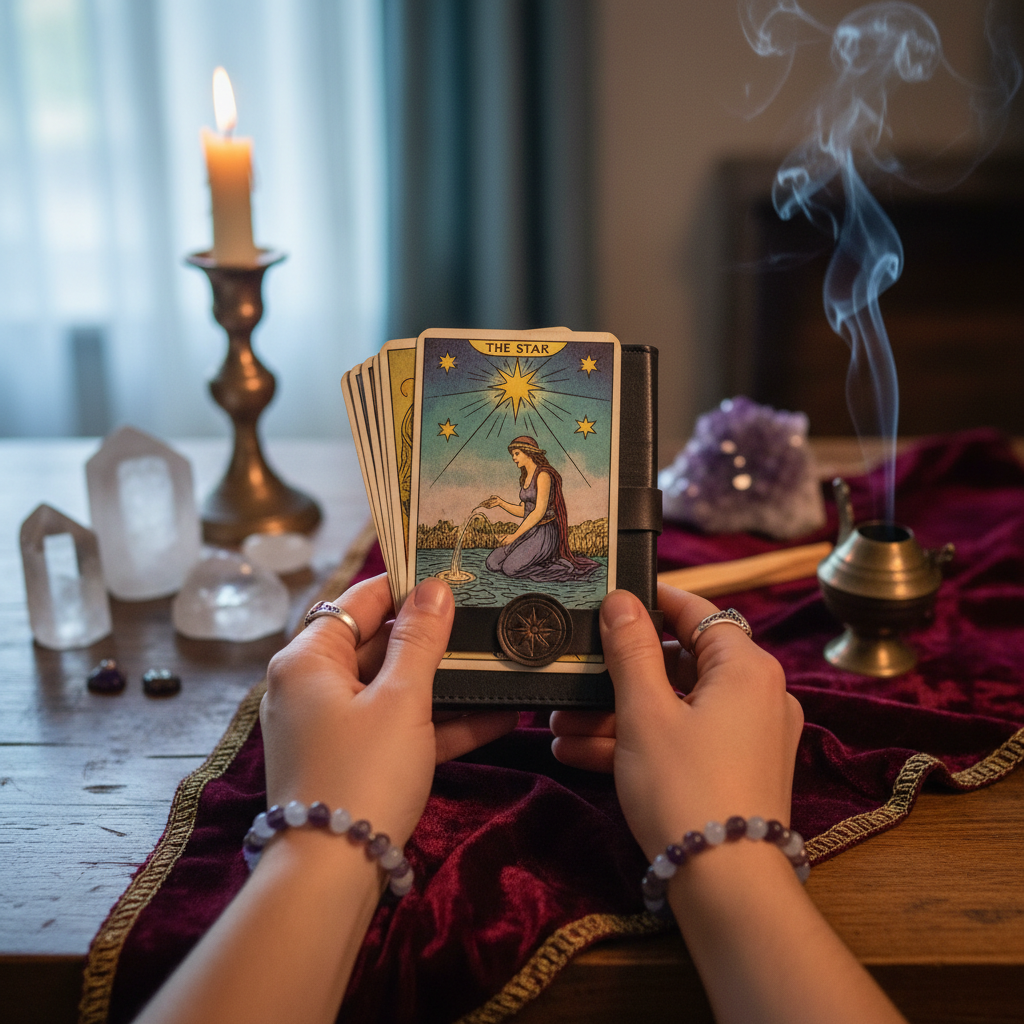
The Evolution of Tarot Art
Over time, the art and design of Tarot cards have evolved, reflecting cultural and artistic shifts. From the classical imagery of the Marseille Tarot to the esoteric designs of the Rider-Waite-Smith deck, each iteration of the Tarot has brought new dimensions to its use and interpretation.
Today, artists continue to create new decks, infusing them with contemporary themes and personal symbolism. This ongoing evolution keeps Tarot alive and relevant, continually offering fresh perspectives and insights.
The Role of Tarot in Modern Spirituality
In contemporary times, Tarot is embraced by spiritual seekers as a tool for introspection and personal growth. It offers a unique way to tap into the subconscious, prompting reflection and insight into one's life path. For many, Tarot is not just about predicting the future but understanding the present and past.
Readers often use Tarot for meditation, self-discovery, and connecting with their intuition. It serves as a bridge between the conscious and the subconscious mind, allowing individuals to explore their inner worlds.
Conclusion: The Enduring Appeal of Tarot
The enduring appeal of Tarot lies in its blend of art, history, and mysticism. It is a versatile tool that can be adapted to a wide array of spiritual and personal development practices. Whether used for guidance, meditation, or creative inspiration, Tarot continues to captivate those who seek to explore the depths of their own psyche.
As Tarot continues to evolve and adapt, its mystical allure remains, offering endless possibilities for introspection and enlightenment.